Buy lasertag.info ?
We are moving the project
lasertag.info .
Are you interested in purchasing the domain
lasertag.info ?
domain@kv-gmbh.de · 0541-91531010
Buy lasertag.info ?
What are biblical archetypes?
Biblical archetypes are recurring symbols, characters, or themes found throughout the Bible that represent universal human experiences, emotions, or truths. These archetypes often serve as a model or pattern for understanding and interpreting the world and our own lives. Examples of biblical archetypes include the hero, the villain, the journey, the sacrifice, and the redemption, which can be found in various stories and characters throughout the Bible. These archetypes provide a framework for understanding the human condition and the spiritual journey. **
What are the archetypes of C.G. Jung?
C.G. Jung identified several archetypes that he believed were universal symbols or themes that appear in the collective unconscious of all people. Some of the key archetypes include the persona (the social mask we present to the world), the shadow (the darker, unconscious side of our personality), the anima/animus (the feminine and masculine aspects within each individual), the self (the striving for wholeness and integration), and the hero (the figure who overcomes challenges and achieves greatness). Jung believed that recognizing and integrating these archetypes into our consciousness could lead to personal growth and self-realization. **


Similar search terms for Archetypes
Top-Angebote
Products related to Archetypes:
-
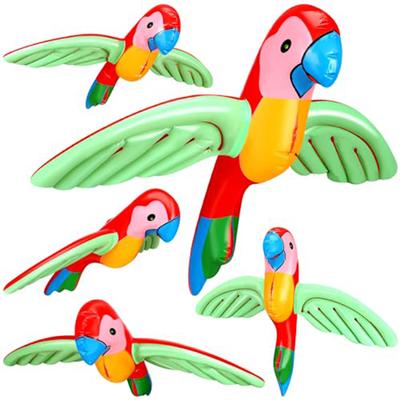
Modern Home Fixes Inflatable Parrot Toss Game Toy For Beach Parties Outdoor Fun Inflatable Parrot Toss Game Toy For Beach Parties Outdoor FunTurn any gathering into a lively experience with this inflatable 1pc parrot game designed to spark laughter and friendly competition. Perfect for families, kids, and party lovers, its a lightweight, portable toy that brings instant fun to any...34,97 $*Shipping: 0,00 $Secure redirect to the provider
-
DynamicDeals ActiveBounce Sensory Ball Outdoor Pull & Toss Game For Kids And Family Fun ActiveBounce Sensory Ball Outdoor Pull & Toss Game For Kids And Family FunTurn everyday playtime into an exciting energyburning adventure with the ActiveBounce outdoor toy. Designed for kids, teens, and even adults, this interactive pullandthrow game helps improve coordination, focus, and active movement while keeping...29,97 $*Shipping: 0,00 $Secure redirect to the provider
-
Repos Mythicals Tactical Card Game for Two Players - Tactical Market GameMythicals is a tactical card game for two players, set in a world of celestial creatures and elemental mastery. Players study creatures linked to water, air, earth, and fire while competing to demonstrate their understanding of the elements. How to play: on each turn, choose whether to draw cards and add the remaining cards to the market, or select cards directly from the market. Collect cards representing the same element, then discard eligible collections to claim favor tokens. Each token presents a different collection challenge, such as matching elements and values or creating a flush. Players must balance careful card selection with timely risk-taking as they build collections and pursue the most valuable favor tokens. When the game ends, the player with the greatest mastery of the elements wins. This game features a market-based card selection system and includes elements of water, air, earth, and fire. It's designed for two players and offers a fun and strategic gameplay experience.13,59 £*Shipping: 3,95 £Secure redirect to the provider



-
Are there different soul types or family archetypes?
Yes, some belief systems and spiritual practices suggest that there are different soul types or family archetypes. These can include concepts such as old souls, young souls, warrior souls, healer souls, and more. Each soul type is believed to have unique characteristics, purposes, and lessons to learn in their lifetime. Understanding these soul types or family archetypes can help individuals gain insight into their own spiritual journey and relationships with others. **
-
What is the difference between archetypes and stereotypes?
Archetypes are universal symbols or themes that represent shared human experiences and emotions, often found in literature, mythology, and art. They are timeless and can be interpreted in various ways. On the other hand, stereotypes are oversimplified and generalized beliefs about a particular group of people, often based on assumptions or prejudices. Stereotypes can be harmful as they limit individuals to a narrow set of characteristics, while archetypes are more complex and can be used to explore deeper aspects of the human psyche. **
-
How can images and pictures be used as archetypes?
Images and pictures can be used as archetypes by representing universal symbols and themes that are deeply ingrained in the human psyche. For example, a picture of a mother and child can evoke the archetype of nurturing and protection. Similarly, an image of a tree can symbolize growth, strength, and connection to the earth. By tapping into these archetypal images, artists and storytellers can convey powerful and resonant messages that transcend cultural and linguistic barriers. Additionally, these archetypal images can evoke strong emotional responses and connect with audiences on a subconscious level. **
-
How can the difference between the collective unconscious and archetypes be explained simply?
The collective unconscious is a concept introduced by Carl Jung, which refers to the shared reservoir of memories and experiences that all humans inherit. Archetypes, on the other hand, are universal symbols or themes that arise from the collective unconscious and are expressed in various cultures and individuals. In simpler terms, the collective unconscious is like a vast library of human experiences, while archetypes are the common themes or characters found within that library that appear in myths, stories, and dreams. **

How can the difference between the collective unconscious and the archetypes be explained simply?
The collective unconscious is a shared reservoir of memories and experiences that all humans inherit from their ancestors, while archetypes are universal symbols or themes that arise from the collective unconscious. In simpler terms, the collective unconscious is like a vast library of human experiences that we all have access to, while archetypes are the common patterns or characters that appear in myths, stories, and dreams. Essentially, the collective unconscious is the source, and archetypes are the recurring themes or symbols that emerge from it. **
How can the difference between the collective unconscious and the archetypes be simply explained?
The collective unconscious refers to the shared reservoir of memories, experiences, and images that are inherited from our ancestors and are common to all humans. It is a part of the unconscious mind that is shared by all people across cultures. On the other hand, archetypes are universal symbols and patterns that emerge from the collective unconscious. They are recurring themes or motifs that are present in myths, stories, and dreams and represent fundamental human experiences and emotions. In simple terms, the collective unconscious is the deep well of shared human experiences, while archetypes are the specific symbols and patterns that arise from this collective unconscious. **
Top-Angebote
Products related to Archetypes:
-
Possum Creek GM-less Gothic Tabletop RPG - Late-Victorian London - Gothic ArchetypesImmerse yourself in a haunting vision of late-Victorian London with Grand Guignol, a GM-less Gothic tabletop role-playing game. Players take on distinctive Gothic archetypes and work together to shape the city, its hidden communities, and the unsettling forces that surround them. The game explores themes of monstrosity, queerness, intimacy, and community against a backdrop of gaslit streets, oppressive institutions, and fragile social bonds. By collaborating to build the setting and story, the group discovers secret histories and decides how characters respond to danger, prejudice, and supernatural intrigue. This game is perfect for players who enjoy atmospheric, character-led adventures and are looking for a unique, collaborative experience.28,74 £*Shipping: 3,95 £Secure redirect to the provider
-
The Handy Homestead Giant Inflatable Dice Party Game Toy For Indoor Outdoor Fun Giant Inflatable Dice Party Game Toy For Indoor Outdoor FunBring instant laughter, movement, and friendly competition to any gathering with 1pc inflatable dice made for big, playful moments. This lightweight blowup cube is a fun giant dice toy for kids, families, classrooms, parties, and outdoor activities....34,97 $*Shipping: 0,00 $Secure redirect to the provider
-
Modern Home Fixes Inflatable Parrot Toss Game Toy For Beach Parties Outdoor Fun Inflatable Parrot Toss Game Toy For Beach Parties Outdoor FunTurn any gathering into a lively experience with this inflatable 1pc parrot game designed to spark laughter and friendly competition. Perfect for families, kids, and party lovers, its a lightweight, portable toy that brings instant fun to any...34,97 $*Shipping: 0,00 $Secure redirect to the provider
-
DynamicDeals ActiveBounce Sensory Ball Outdoor Pull & Toss Game For Kids And Family Fun ActiveBounce Sensory Ball Outdoor Pull & Toss Game For Kids And Family FunTurn everyday playtime into an exciting energyburning adventure with the ActiveBounce outdoor toy. Designed for kids, teens, and even adults, this interactive pullandthrow game helps improve coordination, focus, and active movement while keeping...29,97 $*Shipping: 0,00 $Secure redirect to the provider
-
What are biblical archetypes?
Biblical archetypes are recurring symbols, characters, or themes found throughout the Bible that represent universal human experiences, emotions, or truths. These archetypes often serve as a model or pattern for understanding and interpreting the world and our own lives. Examples of biblical archetypes include the hero, the villain, the journey, the sacrifice, and the redemption, which can be found in various stories and characters throughout the Bible. These archetypes provide a framework for understanding the human condition and the spiritual journey. **
-
What are the archetypes of C.G. Jung?
C.G. Jung identified several archetypes that he believed were universal symbols or themes that appear in the collective unconscious of all people. Some of the key archetypes include the persona (the social mask we present to the world), the shadow (the darker, unconscious side of our personality), the anima/animus (the feminine and masculine aspects within each individual), the self (the striving for wholeness and integration), and the hero (the figure who overcomes challenges and achieves greatness). Jung believed that recognizing and integrating these archetypes into our consciousness could lead to personal growth and self-realization. **
-
Are there different soul types or family archetypes?
Yes, some belief systems and spiritual practices suggest that there are different soul types or family archetypes. These can include concepts such as old souls, young souls, warrior souls, healer souls, and more. Each soul type is believed to have unique characteristics, purposes, and lessons to learn in their lifetime. Understanding these soul types or family archetypes can help individuals gain insight into their own spiritual journey and relationships with others. **
-
What is the difference between archetypes and stereotypes?
Archetypes are universal symbols or themes that represent shared human experiences and emotions, often found in literature, mythology, and art. They are timeless and can be interpreted in various ways. On the other hand, stereotypes are oversimplified and generalized beliefs about a particular group of people, often based on assumptions or prejudices. Stereotypes can be harmful as they limit individuals to a narrow set of characteristics, while archetypes are more complex and can be used to explore deeper aspects of the human psyche. **
Similar search terms for Archetypes
-
Repos Mythicals Tactical Card Game for Two Players - Tactical Market GameMythicals is a tactical card game for two players, set in a world of celestial creatures and elemental mastery. Players study creatures linked to water, air, earth, and fire while competing to demonstrate their understanding of the elements. How to play: on each turn, choose whether to draw cards and add the remaining cards to the market, or select cards directly from the market. Collect cards representing the same element, then discard eligible collections to claim favor tokens. Each token presents a different collection challenge, such as matching elements and values or creating a flush. Players must balance careful card selection with timely risk-taking as they build collections and pursue the most valuable favor tokens. When the game ends, the player with the greatest mastery of the elements wins. This game features a market-based card selection system and includes elements of water, air, earth, and fire. It's designed for two players and offers a fun and strategic gameplay experience.13,59 £*Shipping: 3,95 £Secure redirect to the provider
-
DynamicDeals Family Fun Outdoor Suction Catch Game Parent Child Interactive Toss And Catch Set Family Fun Outdoor Suction Catch Game Parent Child Interactive Toss And Catch SetTurn every sunny afternoon into a bonding adventure with this outdoor family game designed for parents and kids to laugh, play, and connect. This engaging suction cup catch game set brings simple joy back into active play, making it easy for...37,97 $*Shipping: 0,00 $Secure redirect to the provider
-
Uplift Picks Kids Wheel Card Game Fun Educational Family Board Card Game Kids Wheel Card Game Fun Educational Family Board Card GameBring excitement and learning together with this wheel card game designed especially for children. This interactive board card game keeps kids engaged through simple rules, colorful cards, and a spinning wheel that adds surprise to every turn. It...94,48 $*Shipping: 0,00 $Secure redirect to the provider
-
How can images and pictures be used as archetypes?
Images and pictures can be used as archetypes by representing universal symbols and themes that are deeply ingrained in the human psyche. For example, a picture of a mother and child can evoke the archetype of nurturing and protection. Similarly, an image of a tree can symbolize growth, strength, and connection to the earth. By tapping into these archetypal images, artists and storytellers can convey powerful and resonant messages that transcend cultural and linguistic barriers. Additionally, these archetypal images can evoke strong emotional responses and connect with audiences on a subconscious level. **
-
How can the difference between the collective unconscious and archetypes be explained simply?
The collective unconscious is a concept introduced by Carl Jung, which refers to the shared reservoir of memories and experiences that all humans inherit. Archetypes, on the other hand, are universal symbols or themes that arise from the collective unconscious and are expressed in various cultures and individuals. In simpler terms, the collective unconscious is like a vast library of human experiences, while archetypes are the common themes or characters found within that library that appear in myths, stories, and dreams. **
-
How can the difference between the collective unconscious and the archetypes be explained simply?
The collective unconscious is a shared reservoir of memories and experiences that all humans inherit from their ancestors, while archetypes are universal symbols or themes that arise from the collective unconscious. In simpler terms, the collective unconscious is like a vast library of human experiences that we all have access to, while archetypes are the common patterns or characters that appear in myths, stories, and dreams. Essentially, the collective unconscious is the source, and archetypes are the recurring themes or symbols that emerge from it. **
-
How can the difference between the collective unconscious and the archetypes be simply explained?
The collective unconscious refers to the shared reservoir of memories, experiences, and images that are inherited from our ancestors and are common to all humans. It is a part of the unconscious mind that is shared by all people across cultures. On the other hand, archetypes are universal symbols and patterns that emerge from the collective unconscious. They are recurring themes or motifs that are present in myths, stories, and dreams and represent fundamental human experiences and emotions. In simple terms, the collective unconscious is the deep well of shared human experiences, while archetypes are the specific symbols and patterns that arise from this collective unconscious. **
* All prices are inclusive of VAT and, if applicable, plus shipping costs. The offer information is based on the details provided by the respective shop and is updated through automated processes. Real-time updates do not occur, so deviations can occur in individual cases. ** Note: Parts of this content were created by AI.