Buy lasertag.info ?
We are moving the project
lasertag.info .
Are you interested in purchasing the domain
lasertag.info ?
domain@kv-gmbh.de · 0541-91531010
Buy lasertag.info ?
What intermolecular forces exist?
Intermolecular forces are the forces of attraction and repulsion between molecules. The main types of intermolecular forces include London dispersion forces, dipole-dipole interactions, and hydrogen bonding. London dispersion forces are the weakest type of intermolecular force and occur between all molecules. Dipole-dipole interactions occur between polar molecules, where the positive end of one molecule is attracted to the negative end of another. Hydrogen bonding is a special type of dipole-dipole interaction that occurs when hydrogen is bonded to highly electronegative atoms like oxygen, nitrogen, or fluorine. **
What are intermolecular interactions?
Intermolecular interactions are the forces of attraction or repulsion between molecules. These interactions play a crucial role in determining the physical and chemical properties of substances. Examples of intermolecular interactions include hydrogen bonding, van der Waals forces, and dipole-dipole interactions. These forces can affect properties such as boiling and melting points, solubility, and viscosity. **

Similar search terms for Intermolecular
Top-Angebote
Products related to Intermolecular:
-
DynamicDeals ActiveBounce Sensory Ball Outdoor Pull & Toss Game For Kids And Family Fun ActiveBounce Sensory Ball Outdoor Pull & Toss Game For Kids And Family FunTurn everyday playtime into an exciting energyburning adventure with the ActiveBounce outdoor toy. Designed for kids, teens, and even adults, this interactive pullandthrow game helps improve coordination, focus, and active movement while keeping...29,97 $*Shipping: 0,00 $Secure redirect to the provider
-
Repos Mythicals Tactical Card Game for Two Players - Tactical Market GameMythicals is a tactical card game for two players, set in a world of celestial creatures and elemental mastery. Players study creatures linked to water, air, earth, and fire while competing to demonstrate their understanding of the elements. How to play: on each turn, choose whether to draw cards and add the remaining cards to the market, or select cards directly from the market. Collect cards representing the same element, then discard eligible collections to claim favor tokens. Each token presents a different collection challenge, such as matching elements and values or creating a flush. Players must balance careful card selection with timely risk-taking as they build collections and pursue the most valuable favor tokens. When the game ends, the player with the greatest mastery of the elements wins. This game features a market-based card selection system and includes elements of water, air, earth, and fire. It's designed for two players and offers a fun and strategic gameplay experience.13,59 £*Shipping: 3,95 £Secure redirect to the provider
-
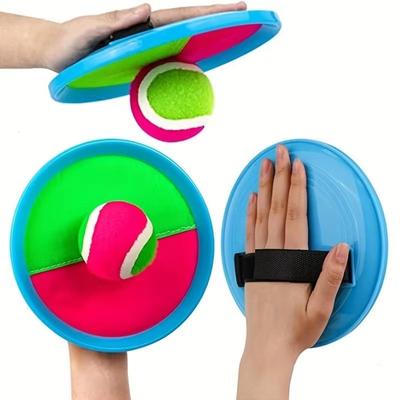
DynamicDeals Family Fun Outdoor Suction Catch Game Parent Child Interactive Toss And Catch Set Family Fun Outdoor Suction Catch Game Parent Child Interactive Toss And Catch SetTurn every sunny afternoon into a bonding adventure with this outdoor family game designed for parents and kids to laugh, play, and connect. This engaging suction cup catch game set brings simple joy back into active play, making it easy for...37,97 $*Shipping: 0,00 $Secure redirect to the provider


-
What are intermolecular forces?
Intermolecular forces are the attractive forces that exist between molecules. These forces are responsible for holding molecules together in a liquid or solid state. There are several types of intermolecular forces, including hydrogen bonding, dipole-dipole interactions, and London dispersion forces. These forces play a crucial role in determining the physical properties of substances, such as their boiling and melting points, as well as their solubility and viscosity. **
-
How are intermolecular forces classified?
Intermolecular forces are classified into three main categories: dispersion forces, dipole-dipole forces, and hydrogen bonding. Dispersion forces are the weakest type of intermolecular force and are caused by temporary fluctuations in electron distribution within molecules. Dipole-dipole forces occur between polar molecules and are stronger than dispersion forces. Hydrogen bonding is the strongest type of intermolecular force and occurs when hydrogen is bonded to highly electronegative atoms like oxygen, nitrogen, or fluorine. **
-
What are strong intermolecular interactions?
Strong intermolecular interactions are attractive forces between molecules that are stronger than typical van der Waals forces. These interactions can include hydrogen bonding, dipole-dipole interactions, and ion-dipole interactions. Strong intermolecular interactions play a crucial role in determining the physical properties of substances such as boiling point, melting point, and solubility. They are important in various biological processes, such as protein folding and DNA replication. **
-
Which intermolecular interactions are possible?
Intermolecular interactions that are possible include hydrogen bonding, dipole-dipole interactions, and London dispersion forces. Hydrogen bonding occurs when a hydrogen atom is bonded to a highly electronegative atom such as oxygen, nitrogen, or fluorine. Dipole-dipole interactions occur between molecules with permanent dipoles, while London dispersion forces are the weakest intermolecular interactions and occur between all molecules due to temporary fluctuations in electron distribution. These interactions play a crucial role in determining the physical properties of substances such as boiling and melting points. **
What are intermolecular interactions in chemistry?
Intermolecular interactions are the forces of attraction or repulsion between molecules. These interactions play a crucial role in determining the physical properties of substances, such as boiling point, melting point, and solubility. The main types of intermolecular interactions include hydrogen bonding, dipole-dipole interactions, and van der Waals forces. These interactions are weaker than chemical bonds within a molecule, but they still significantly impact the behavior and properties of substances. **
Which intermolecular forces are the strongest?
The strongest intermolecular forces are hydrogen bonding, which occurs when a hydrogen atom is bonded to a highly electronegative atom such as oxygen, nitrogen, or fluorine. Hydrogen bonding is stronger than dipole-dipole interactions and London dispersion forces. This is because hydrogen bonding involves a particularly strong attraction between the partially positive hydrogen atom and the partially negative atom it is bonded to, leading to a higher energy of interaction compared to other intermolecular forces. **
Top-Angebote
Products related to Intermolecular:
-
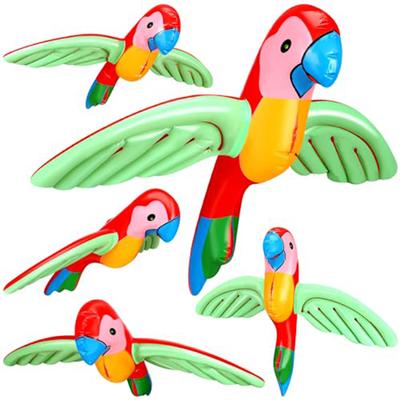
Modern Home Fixes Inflatable Parrot Toss Game Toy For Beach Parties Outdoor Fun Inflatable Parrot Toss Game Toy For Beach Parties Outdoor FunTurn any gathering into a lively experience with this inflatable 1pc parrot game designed to spark laughter and friendly competition. Perfect for families, kids, and party lovers, its a lightweight, portable toy that brings instant fun to any...34,97 $*Shipping: 0,00 $Secure redirect to the provider
-
The Handy Homestead Giant Inflatable Dice Party Game Toy For Indoor Outdoor Fun Giant Inflatable Dice Party Game Toy For Indoor Outdoor FunBring instant laughter, movement, and friendly competition to any gathering with 1pc inflatable dice made for big, playful moments. This lightweight blowup cube is a fun giant dice toy for kids, families, classrooms, parties, and outdoor activities....34,97 $*Shipping: 0,00 $Secure redirect to the provider
-
DynamicDeals ActiveBounce Sensory Ball Outdoor Pull & Toss Game For Kids And Family Fun ActiveBounce Sensory Ball Outdoor Pull & Toss Game For Kids And Family FunTurn everyday playtime into an exciting energyburning adventure with the ActiveBounce outdoor toy. Designed for kids, teens, and even adults, this interactive pullandthrow game helps improve coordination, focus, and active movement while keeping...29,97 $*Shipping: 0,00 $Secure redirect to the provider
-
Repos Mythicals Tactical Card Game for Two Players - Tactical Market GameMythicals is a tactical card game for two players, set in a world of celestial creatures and elemental mastery. Players study creatures linked to water, air, earth, and fire while competing to demonstrate their understanding of the elements. How to play: on each turn, choose whether to draw cards and add the remaining cards to the market, or select cards directly from the market. Collect cards representing the same element, then discard eligible collections to claim favor tokens. Each token presents a different collection challenge, such as matching elements and values or creating a flush. Players must balance careful card selection with timely risk-taking as they build collections and pursue the most valuable favor tokens. When the game ends, the player with the greatest mastery of the elements wins. This game features a market-based card selection system and includes elements of water, air, earth, and fire. It's designed for two players and offers a fun and strategic gameplay experience.13,59 £*Shipping: 3,95 £Secure redirect to the provider
-
What intermolecular forces exist?
Intermolecular forces are the forces of attraction and repulsion between molecules. The main types of intermolecular forces include London dispersion forces, dipole-dipole interactions, and hydrogen bonding. London dispersion forces are the weakest type of intermolecular force and occur between all molecules. Dipole-dipole interactions occur between polar molecules, where the positive end of one molecule is attracted to the negative end of another. Hydrogen bonding is a special type of dipole-dipole interaction that occurs when hydrogen is bonded to highly electronegative atoms like oxygen, nitrogen, or fluorine. **
-
What are intermolecular interactions?
Intermolecular interactions are the forces of attraction or repulsion between molecules. These interactions play a crucial role in determining the physical and chemical properties of substances. Examples of intermolecular interactions include hydrogen bonding, van der Waals forces, and dipole-dipole interactions. These forces can affect properties such as boiling and melting points, solubility, and viscosity. **
-
What are intermolecular forces?
Intermolecular forces are the attractive forces that exist between molecules. These forces are responsible for holding molecules together in a liquid or solid state. There are several types of intermolecular forces, including hydrogen bonding, dipole-dipole interactions, and London dispersion forces. These forces play a crucial role in determining the physical properties of substances, such as their boiling and melting points, as well as their solubility and viscosity. **
-
How are intermolecular forces classified?
Intermolecular forces are classified into three main categories: dispersion forces, dipole-dipole forces, and hydrogen bonding. Dispersion forces are the weakest type of intermolecular force and are caused by temporary fluctuations in electron distribution within molecules. Dipole-dipole forces occur between polar molecules and are stronger than dispersion forces. Hydrogen bonding is the strongest type of intermolecular force and occurs when hydrogen is bonded to highly electronegative atoms like oxygen, nitrogen, or fluorine. **
Similar search terms for Intermolecular
-
DynamicDeals Family Fun Outdoor Suction Catch Game Parent Child Interactive Toss And Catch Set Family Fun Outdoor Suction Catch Game Parent Child Interactive Toss And Catch SetTurn every sunny afternoon into a bonding adventure with this outdoor family game designed for parents and kids to laugh, play, and connect. This engaging suction cup catch game set brings simple joy back into active play, making it easy for...37,97 $*Shipping: 0,00 $Secure redirect to the provider
-
Uplift Picks Kids Wheel Card Game Fun Educational Family Board Card Game Kids Wheel Card Game Fun Educational Family Board Card GameBring excitement and learning together with this wheel card game designed especially for children. This interactive board card game keeps kids engaged through simple rules, colorful cards, and a spinning wheel that adds surprise to every turn. It...94,48 $*Shipping: 0,00 $Secure redirect to the provider
-
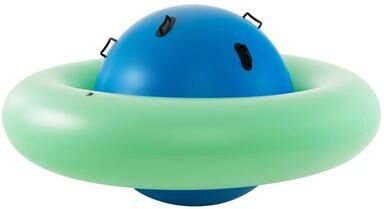
7.5 FT Inflatable Dome Rocker Bouncer with 6 Handles Fun Outdoor GameThis inflatable dome rocker bouncer is superior to a normal hopper ball in its endless possibilities. It encourages children's creativity, and lets them decide the way to play, be it bouncing, rolling, tilting or climbing.139,69 $*Shipping: 0,00 $Secure redirect to the provider
-
What are strong intermolecular interactions?
Strong intermolecular interactions are attractive forces between molecules that are stronger than typical van der Waals forces. These interactions can include hydrogen bonding, dipole-dipole interactions, and ion-dipole interactions. Strong intermolecular interactions play a crucial role in determining the physical properties of substances such as boiling point, melting point, and solubility. They are important in various biological processes, such as protein folding and DNA replication. **
-
Which intermolecular interactions are possible?
Intermolecular interactions that are possible include hydrogen bonding, dipole-dipole interactions, and London dispersion forces. Hydrogen bonding occurs when a hydrogen atom is bonded to a highly electronegative atom such as oxygen, nitrogen, or fluorine. Dipole-dipole interactions occur between molecules with permanent dipoles, while London dispersion forces are the weakest intermolecular interactions and occur between all molecules due to temporary fluctuations in electron distribution. These interactions play a crucial role in determining the physical properties of substances such as boiling and melting points. **
-
What are intermolecular interactions in chemistry?
Intermolecular interactions are the forces of attraction or repulsion between molecules. These interactions play a crucial role in determining the physical properties of substances, such as boiling point, melting point, and solubility. The main types of intermolecular interactions include hydrogen bonding, dipole-dipole interactions, and van der Waals forces. These interactions are weaker than chemical bonds within a molecule, but they still significantly impact the behavior and properties of substances. **
-
Which intermolecular forces are the strongest?
The strongest intermolecular forces are hydrogen bonding, which occurs when a hydrogen atom is bonded to a highly electronegative atom such as oxygen, nitrogen, or fluorine. Hydrogen bonding is stronger than dipole-dipole interactions and London dispersion forces. This is because hydrogen bonding involves a particularly strong attraction between the partially positive hydrogen atom and the partially negative atom it is bonded to, leading to a higher energy of interaction compared to other intermolecular forces. **
* All prices are inclusive of VAT and, if applicable, plus shipping costs. The offer information is based on the details provided by the respective shop and is updated through automated processes. Real-time updates do not occur, so deviations can occur in individual cases. ** Note: Parts of this content were created by AI.