Buy lasertag.info ?
We are moving the project
lasertag.info .
Are you interested in purchasing the domain
lasertag.info ?
domain@kv-gmbh.de · 0541-91531010
Buy lasertag.info ?
What is the replication origin in DNA replication?
The replication origin is a specific sequence of DNA where the process of DNA replication begins. It is the site where the two strands of the DNA double helix are separated and the replication machinery is assembled. The replication origin is recognized by specific proteins that initiate the unwinding of the DNA and the synthesis of new DNA strands. Each DNA molecule has multiple replication origins to ensure that the entire genome is replicated efficiently. **
What is semiconservative replication?
Semiconservative replication is the process by which DNA is copied during cell division. In this process, the two strands of the DNA double helix separate, and each strand serves as a template for the synthesis of a new complementary strand. As a result, each new DNA molecule contains one original strand and one newly synthesized strand. This ensures that the genetic information is preserved and passed on to the next generation of cells. This process was first proposed by James Watson and Francis Crick in 1953. **

Similar search terms for Replication
Top-Angebote
Products related to Replication:
-
DynamicDeals ActiveBounce Sensory Ball Outdoor Pull & Toss Game For Kids And Family Fun ActiveBounce Sensory Ball Outdoor Pull & Toss Game For Kids And Family FunTurn everyday playtime into an exciting energyburning adventure with the ActiveBounce outdoor toy. Designed for kids, teens, and even adults, this interactive pullandthrow game helps improve coordination, focus, and active movement while keeping...29,97 $*Shipping: 0,00 $Secure redirect to the provider
-
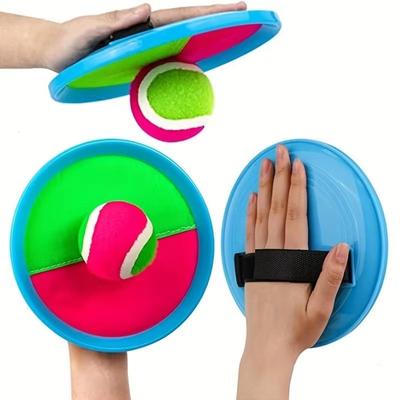
DynamicDeals Family Fun Outdoor Suction Catch Game Parent Child Interactive Toss And Catch Set Family Fun Outdoor Suction Catch Game Parent Child Interactive Toss And Catch SetTurn every sunny afternoon into a bonding adventure with this outdoor family game designed for parents and kids to laugh, play, and connect. This engaging suction cup catch game set brings simple joy back into active play, making it easy for...37,97 $*Shipping: 0,00 $Secure redirect to the provider
-
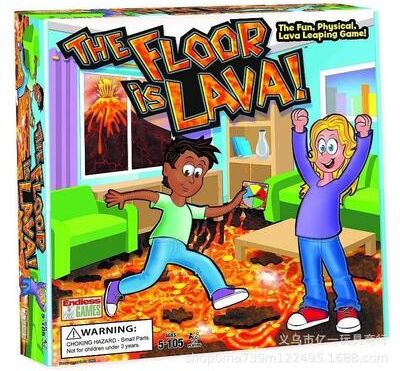
Uplift Picks Kids Wheel Card Game Fun Educational Family Board Card Game Kids Wheel Card Game Fun Educational Family Board Card GameBring excitement and learning together with this wheel card game designed especially for children. This interactive board card game keeps kids engaged through simple rules, colorful cards, and a spinning wheel that adds surprise to every turn. It...94,48 $*Shipping: 0,00 $Secure redirect to the provider
-
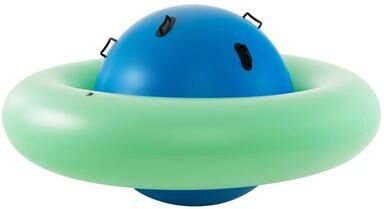
7.5 FT Inflatable Dome Rocker Bouncer with 6 Handles Fun Outdoor GameThis inflatable dome rocker bouncer is superior to a normal hopper ball in its endless possibilities. It encourages children's creativity, and lets them decide the way to play, be it bouncing, rolling, tilting or climbing.139,69 $*Shipping: 0,00 $Secure redirect to the provider
-
What is DNA replication?
DNA replication is the process by which a cell makes an identical copy of its DNA. This process is essential for cell division and the transmission of genetic information from one generation to the next. It involves the unwinding of the DNA double helix, the synthesis of new complementary strands using the existing strands as templates, and the proofreading and correction of any errors. DNA replication ensures that each new cell receives a complete and accurate set of genetic instructions. **
-
What is RNA self-replication?
RNA self-replication is a process where RNA molecules are able to catalyze their own replication without the need for external enzymes. This ability is crucial for the early evolution of life on Earth, as it is believed to be a key step in the transition from prebiotic chemistry to the emergence of life. RNA self-replication involves the RNA molecule acting as both a template and an enzyme, allowing it to make copies of itself. This process is a fundamental aspect of the RNA world hypothesis, which suggests that RNA played a central role in the origin of life. **
-
What is a replication bubble?
A replication bubble is a region of DNA where the double helix has been unwound and separated to allow for DNA replication to occur. It is formed by the action of helicase enzymes that unwind the DNA strands, creating two single-stranded templates for the replication process. The replication bubble expands as the replication machinery moves along the DNA, synthesizing new strands of DNA. Replication bubbles are a key feature of DNA replication and allow for the efficient and accurate copying of genetic information. **
-
How does DNA replication occur?
DNA replication occurs in a semi-conservative manner, where the two strands of the double helix are separated and each strand serves as a template for the synthesis of a new complementary strand. The enzyme helicase unwinds the double helix, creating two single strands. DNA polymerase then adds new nucleotides to each single strand, following the base-pairing rules (A with T, and C with G). This results in two identical double-stranded DNA molecules, each containing one original strand and one newly synthesized strand. **

Where does DNA replication occur?
DNA replication occurs in the nucleus of eukaryotic cells and in the cytoplasm of prokaryotic cells. In eukaryotic cells, DNA replication takes place during the S phase of the cell cycle, when the DNA is duplicated to ensure that each daughter cell receives a complete set of genetic information. The process involves the unwinding of the DNA double helix, the synthesis of new DNA strands using existing strands as templates, and the proofreading and correction of errors. Overall, DNA replication is a fundamental process that ensures the accurate transmission of genetic information from one generation to the next. **
How does semiconservative DNA replication occur?
Semiconservative DNA replication occurs in the following way: the double-stranded DNA molecule unwinds and separates into two strands. Each separated strand serves as a template for the synthesis of a new complementary strand. Enzymes called DNA polymerases add nucleotides to the new strands based on the complementary base pairing rules (A with T, C with G). As a result, two identical DNA molecules are produced, each consisting of one original strand and one newly synthesized strand. This process ensures that genetic information is faithfully passed on to daughter cells during cell division. **
Top-Angebote
Products related to Replication:
-
The Handy Homestead Giant Inflatable Dice Party Game Toy For Indoor Outdoor Fun Giant Inflatable Dice Party Game Toy For Indoor Outdoor FunBring instant laughter, movement, and friendly competition to any gathering with 1pc inflatable dice made for big, playful moments. This lightweight blowup cube is a fun giant dice toy for kids, families, classrooms, parties, and outdoor activities....34,97 $*Shipping: 0,00 $Secure redirect to the provider
-
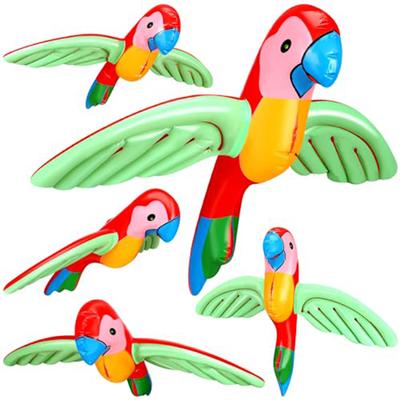
Modern Home Fixes Inflatable Parrot Toss Game Toy For Beach Parties Outdoor Fun Inflatable Parrot Toss Game Toy For Beach Parties Outdoor FunTurn any gathering into a lively experience with this inflatable 1pc parrot game designed to spark laughter and friendly competition. Perfect for families, kids, and party lovers, its a lightweight, portable toy that brings instant fun to any...34,97 $*Shipping: 0,00 $Secure redirect to the provider
-
DynamicDeals ActiveBounce Sensory Ball Outdoor Pull & Toss Game For Kids And Family Fun ActiveBounce Sensory Ball Outdoor Pull & Toss Game For Kids And Family FunTurn everyday playtime into an exciting energyburning adventure with the ActiveBounce outdoor toy. Designed for kids, teens, and even adults, this interactive pullandthrow game helps improve coordination, focus, and active movement while keeping...29,97 $*Shipping: 0,00 $Secure redirect to the provider
-
DynamicDeals Family Fun Outdoor Suction Catch Game Parent Child Interactive Toss And Catch Set Family Fun Outdoor Suction Catch Game Parent Child Interactive Toss And Catch SetTurn every sunny afternoon into a bonding adventure with this outdoor family game designed for parents and kids to laugh, play, and connect. This engaging suction cup catch game set brings simple joy back into active play, making it easy for...37,97 $*Shipping: 0,00 $Secure redirect to the provider
-
What is the replication origin in DNA replication?
The replication origin is a specific sequence of DNA where the process of DNA replication begins. It is the site where the two strands of the DNA double helix are separated and the replication machinery is assembled. The replication origin is recognized by specific proteins that initiate the unwinding of the DNA and the synthesis of new DNA strands. Each DNA molecule has multiple replication origins to ensure that the entire genome is replicated efficiently. **
-
What is semiconservative replication?
Semiconservative replication is the process by which DNA is copied during cell division. In this process, the two strands of the DNA double helix separate, and each strand serves as a template for the synthesis of a new complementary strand. As a result, each new DNA molecule contains one original strand and one newly synthesized strand. This ensures that the genetic information is preserved and passed on to the next generation of cells. This process was first proposed by James Watson and Francis Crick in 1953. **
-
What is DNA replication?
DNA replication is the process by which a cell makes an identical copy of its DNA. This process is essential for cell division and the transmission of genetic information from one generation to the next. It involves the unwinding of the DNA double helix, the synthesis of new complementary strands using the existing strands as templates, and the proofreading and correction of any errors. DNA replication ensures that each new cell receives a complete and accurate set of genetic instructions. **
-
What is RNA self-replication?
RNA self-replication is a process where RNA molecules are able to catalyze their own replication without the need for external enzymes. This ability is crucial for the early evolution of life on Earth, as it is believed to be a key step in the transition from prebiotic chemistry to the emergence of life. RNA self-replication involves the RNA molecule acting as both a template and an enzyme, allowing it to make copies of itself. This process is a fundamental aspect of the RNA world hypothesis, which suggests that RNA played a central role in the origin of life. **
Similar search terms for Replication
-
Uplift Picks Kids Wheel Card Game Fun Educational Family Board Card Game Kids Wheel Card Game Fun Educational Family Board Card GameBring excitement and learning together with this wheel card game designed especially for children. This interactive board card game keeps kids engaged through simple rules, colorful cards, and a spinning wheel that adds surprise to every turn. It...94,48 $*Shipping: 0,00 $Secure redirect to the provider
-
7.5 FT Inflatable Dome Rocker Bouncer with 6 Handles Fun Outdoor GameThis inflatable dome rocker bouncer is superior to a normal hopper ball in its endless possibilities. It encourages children's creativity, and lets them decide the way to play, be it bouncing, rolling, tilting or climbing.139,69 $*Shipping: 0,00 $Secure redirect to the provider
-
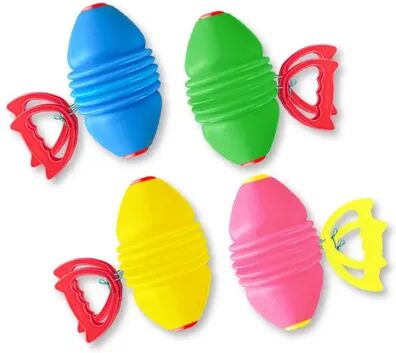
Quick Pick Pro Blowing Pipe Ball Toy Set Balance Training Outdoor Game For Kids Coordination Fun Blowing Pipe Ball Toy Set Balance Training Outdoor Game For Kids Coordination FunBring excitement, focus, and laughter into playtime with this engaging blowing pipe ball toy designed to challenge breath control and precision. Perfect for kids and families, this interactive set turns simple air pressure into a fun and...29,97 $*Shipping: 0,00 $Secure redirect to the provider
-
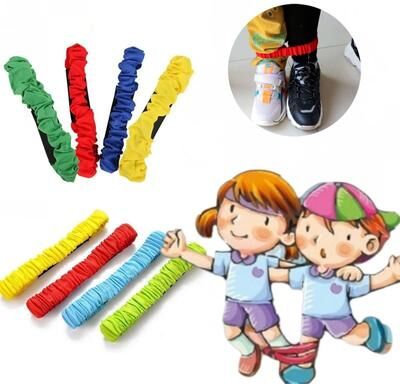
DynamicDeals Ultimate Three Legged Race Game Set Durable Kids Outdoor Toy For Family Team Fun Ultimate Three Legged Race Game Set Durable Kids Outdoor Toy For Family Team FunTurn any gathering into laughter and unforgettable memories with this engaging threelegged race game set designed for both kids and adults. Perfect as a kids outdoor toy and a family team game, it strengthens coordination and sparks joy with every...29,97 $*Shipping: 0,00 $Secure redirect to the provider
-
What is a replication bubble?
A replication bubble is a region of DNA where the double helix has been unwound and separated to allow for DNA replication to occur. It is formed by the action of helicase enzymes that unwind the DNA strands, creating two single-stranded templates for the replication process. The replication bubble expands as the replication machinery moves along the DNA, synthesizing new strands of DNA. Replication bubbles are a key feature of DNA replication and allow for the efficient and accurate copying of genetic information. **
-
How does DNA replication occur?
DNA replication occurs in a semi-conservative manner, where the two strands of the double helix are separated and each strand serves as a template for the synthesis of a new complementary strand. The enzyme helicase unwinds the double helix, creating two single strands. DNA polymerase then adds new nucleotides to each single strand, following the base-pairing rules (A with T, and C with G). This results in two identical double-stranded DNA molecules, each containing one original strand and one newly synthesized strand. **
-
Where does DNA replication occur?
DNA replication occurs in the nucleus of eukaryotic cells and in the cytoplasm of prokaryotic cells. In eukaryotic cells, DNA replication takes place during the S phase of the cell cycle, when the DNA is duplicated to ensure that each daughter cell receives a complete set of genetic information. The process involves the unwinding of the DNA double helix, the synthesis of new DNA strands using existing strands as templates, and the proofreading and correction of errors. Overall, DNA replication is a fundamental process that ensures the accurate transmission of genetic information from one generation to the next. **
-
How does semiconservative DNA replication occur?
Semiconservative DNA replication occurs in the following way: the double-stranded DNA molecule unwinds and separates into two strands. Each separated strand serves as a template for the synthesis of a new complementary strand. Enzymes called DNA polymerases add nucleotides to the new strands based on the complementary base pairing rules (A with T, C with G). As a result, two identical DNA molecules are produced, each consisting of one original strand and one newly synthesized strand. This process ensures that genetic information is faithfully passed on to daughter cells during cell division. **
* All prices are inclusive of VAT and, if applicable, plus shipping costs. The offer information is based on the details provided by the respective shop and is updated through automated processes. Real-time updates do not occur, so deviations can occur in individual cases. ** Note: Parts of this content were created by AI.